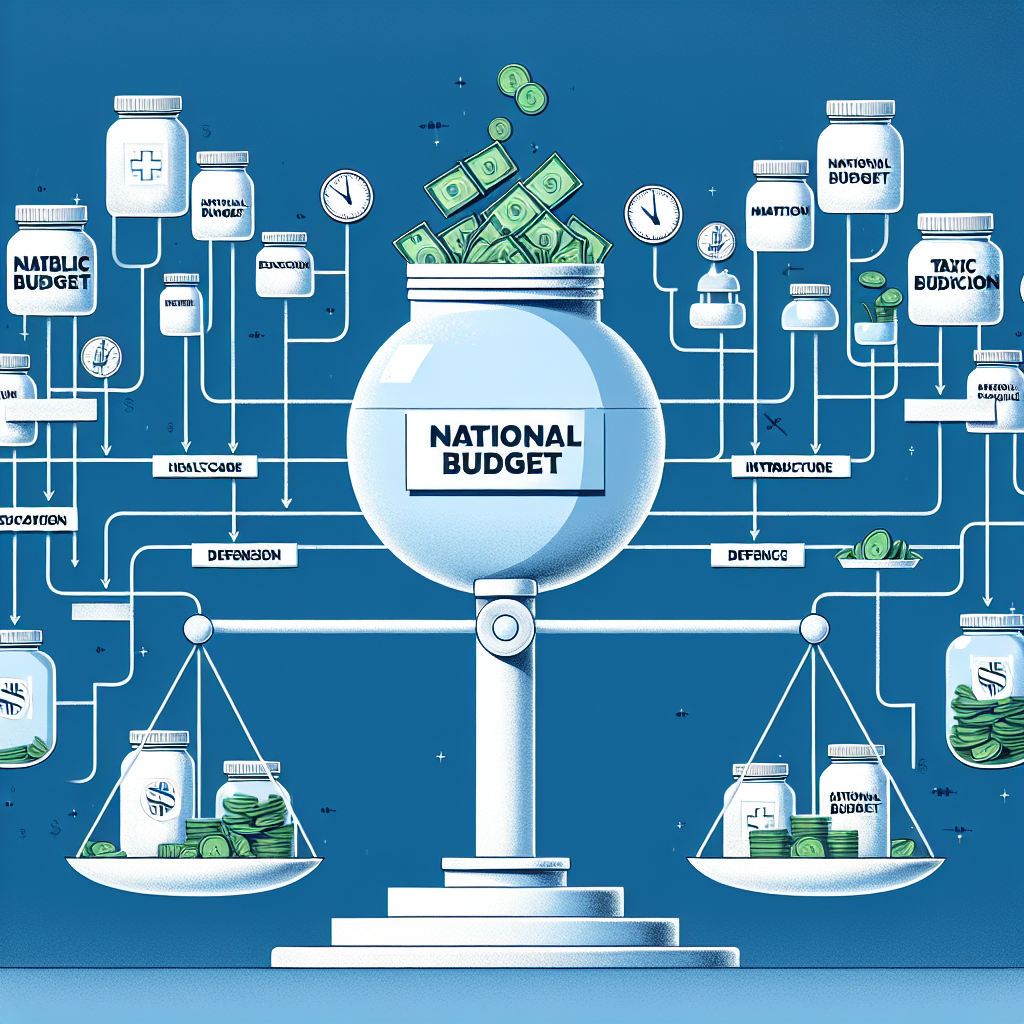
Tax funds are revenues collected from taxes imposed on individuals and businesses. These funds are then allocated to various public sectors such as education, healthcare, public safety, and infrastructure. Governments at all levels rely on these funds to function and provide essential services to their citizens.
Types of Taxes
There are several types of taxes that contribute to tax funds, including:
- Income Tax: Income tax is a levy imposed on both individual and corporate earnings. This tax is a major source of revenue for governments, providing the necessary funds to support numerous public expenditures. Governments often use a progressive tax rate, where higher earners pay a larger percentage, to ensure equitable revenue collection.
- Sales Tax: Sales tax is collected on the sale of goods and services and is typically added at the point of sale. This tax is crucial for state and local government budgets, as it provides a steady stream of income. The rate can vary significantly between jurisdictions, reflecting local economic policies and fiscal needs.
- Property Tax: Property tax is based on the value of real estate property and is a significant revenue source for local governments. This tax supports essential services such as public education and emergency services. Property tax assessments are usually conducted annually to ensure they reflect current market values.
- Excise Tax: Excise taxes are applied to specific goods like gasoline and tobacco. These taxes are often used to discourage the consumption of certain products and to raise funds for related public services, such as road maintenance from gasoline taxes.
Each type of tax plays a different role in generating revenue for the government, and the distribution of these funds is critical for effective budgeting.
The Role of Taxation in Economic Policy
Taxation is not just about revenue generation; it is also a tool for economic policy. By adjusting tax rates and structures, governments can influence economic behavior. For example, lower corporate tax rates might stimulate investment and job creation, while higher taxes on luxury goods can help reduce income inequality. Understanding these dynamics is crucial for effective economic governance.
Allocation of Tax Funds
Once collected, tax funds are distributed across various sectors. This allocation process is critical as it determines how well a government can meet its citizens’ needs. Priorities often include education, healthcare, and infrastructure, but funds must also be available for unforeseen expenditures such as disaster relief. This necessitates a strategic approach to budgeting to ensure all essential areas are adequately funded.
The Budgeting Process
Budgeting is the process by which governments plan their expenditures and allocate resources. It involves evaluating expected revenues, including tax funds, and deciding how to distribute these funds across various sectors.
Setting Priorities
Budgeting requires setting priorities to ensure that the most critical areas receive adequate funding. This involves assessing the needs of the community and determining where tax funds will have the greatest impact.
For instance, funds might be directed towards public education to enhance the quality of learning environments and resources. Investing in education can have long-term benefits, including an educated workforce that contributes positively to the economy.
Enhancing healthcare services is another priority, as it ensures that citizens have access to necessary medical care. This can include funding for hospitals, clinics, and public health initiatives that improve overall community well-being.
Maintaining infrastructure is also crucial, as it supports economic activity and quality of life. This includes roads, bridges, and public transport systems that require constant upkeep and improvement to meet the demands of growing populations.
Balancing the Budget
A balanced budget occurs when total revenues equal total expenditures. Achieving this balance is a primary goal for governments, as it ensures financial stability and prevents deficits.
The importance of maintaining a balanced budget cannot be overstated. It demonstrates fiscal responsibility and can enhance a government’s creditworthiness, making it easier to borrow funds if needed. A balanced budget also avoids the accumulation of debt, which can burden future generations.
Strategies for balancing budgets often involve both increasing revenues and cutting unnecessary expenditures. This might include reassessing tax policies to boost revenue or implementing efficiency measures to reduce costs. Public consultation and transparency are crucial in this process to ensure community needs and preferences are considered.
The role of tax funds in achieving budget balance is vital. Since tax funds are a primary source of revenue, effective tax collection and management can significantly impact a government’s ability to balance its budget. Innovative tax policies and improved collection mechanisms can enhance revenue without increasing tax rates.
Tax Sale Excess Funds
Tax sale excess funds are additional funds collected from the sale of properties due to unpaid taxes. These funds can be significant and are often redirected towards other community needs. Understanding how these funds are generated and used is essential for comprehensive budgeting.
Understanding Tax Sale Excess Funds
Tax sale excess funds arise when properties are sold due to unpaid taxes, and the sale price exceeds the amount owed. These funds represent a unique opportunity for local governments to address budget shortfalls or invest in new initiatives. They can act as a financial buffer in times of economic uncertainty, providing a much-needed cushion.
The legal framework governing excess funds varies by jurisdiction, but typically, the surplus is first used to satisfy any remaining liens or debts on the property. Any remaining excess is either claimed by the original property owner or, if unclaimed, can be utilized by the government for public purposes.
The strategic use of excess funds can significantly impact local communities. They can be directed towards critical areas that are underfunded or support new projects that align with community goals. However, careful planning is required to ensure these funds are used effectively and equitably.
Kauai Tax Sale Excess Funds List 2024
The Kauai tax sale excess funds list for 2024 outlines properties sold due to unpaid taxes and the resulting excess funds. These funds can be used to address unforeseen expenses or to invest in new projects that benefit the community.
Analyzing the Kauai excess funds list provides valuable insights into the fiscal health of the region. It highlights areas where tax collection may be challenging and identifies opportunities for financial improvement. This analysis is crucial for informed decision-making and strategic planning.
Utilizing Kauai’s excess funds for community projects can foster development and enhance the quality of life for residents. Potential projects include building community centers, enhancing public parks, or investing in renewable energy initiatives. These investments not only improve infrastructure but also promote community engagement and sustainability.
Transparent management of Kauai’s excess funds is vital to maintain public trust. Regular updates and community involvement in decision-making processes ensure that funds are used in a manner that reflects the community’s priorities and values.
Hawaii Excess Tax Sale Funds List 2024
Similarly, the Hawaii excess tax sale funds list for 2024 provides insights into the additional revenue generated from tax sales across the state. These funds offer flexibility in budgeting, allowing for enhancements in various public sectors without increasing taxes.
Examining the Hawaii excess funds list reveals trends and patterns in property tax compliance. This information can guide policy adjustments to improve tax collection efficiency and effectiveness. It also highlights areas that may require additional support or intervention.
Allocating Hawaii’s excess funds strategically can lead to significant improvements in public services. These funds might be used to upgrade school facilities, expand healthcare services, or improve transportation networks. The key is to ensure that allocations align with long-term community goals and priorities.
Community involvement in fund allocation is essential to ensure that the benefits of excess funds are widely shared. Public consultations and participatory budgeting processes can help identify the most pressing community needs and ensure that investments are targeted appropriately.
The Impact of Tax Funds on Local Government
Tax funds are the lifeblood of local governments, enabling them to provide essential services and improve the quality of life for residents. Here’s how tax funds impact local governance:
Infrastructure Development
Tax funds are crucial for maintaining and developing infrastructure such as roads, bridges, and public buildings. These projects are often high-cost and require significant investment, which tax funds provide.
The role of tax funds in infrastructure development cannot be understated. Infrastructure projects are foundational to economic growth and community well-being. By ensuring that roads, bridges, and public buildings are well-maintained and modern, governments can support efficient transportation, commerce, and public services.
Long-term planning and investment are essential for successful infrastructure development. Governments must anticipate future needs and allocate funds accordingly, ensuring that infrastructure keeps pace with population growth and technological advancements. This requires a strategic vision and a commitment to sustainable development.
The economic impact of infrastructure investment is significant. It creates jobs, stimulates local economies, and improves the quality of life for residents. Moreover, well-planned infrastructure can attract businesses and investors, further boosting economic prospects.
Public Safety and Services
Local governments use tax funds to support public safety services, including police, fire, and emergency medical services. Ensuring these services are well-funded is essential for community well-being and safety.
Tax funds and public safety are intrinsically linked, as these funds provide the resources necessary to maintain effective police, fire, and emergency medical services. These services protect communities, respond to emergencies, and ensure public order, making them a top priority for local governments.
Investing in technology and training is crucial for enhancing public safety services. Advanced equipment, such as state-of-the-art communication systems and vehicles, can improve response times and effectiveness. Equally important is investing in personnel training to ensure that public safety officers are well-equipped to handle diverse situations.
Community engagement and collaboration are key components of successful public safety strategies. By fostering partnerships between law enforcement agencies and the communities they serve, governments can build trust, improve cooperation, and enhance overall safety outcomes.
Education and Healthcare
Investing in education and healthcare is a priority for many local governments. Tax funds help finance schools, hospitals, and public health initiatives, contributing to the overall health and education of the population.
The importance of tax funds in education is evident in the quality of schools and educational programs. These funds support teacher salaries, school maintenance, and educational resources, ensuring that students receive a high-quality education. Investing in education has long-term benefits, including a skilled workforce and increased economic productivity.
Healthcare funding through tax revenues is equally critical. Tax funds support hospitals, clinics, and public health campaigns, ensuring that healthcare services are accessible and affordable for all citizens. This contributes to overall public health and well-being, reducing long-term healthcare costs.
Addressing educational and healthcare disparities is a significant challenge for local governments. By strategically allocating tax funds, governments can target underserved areas and populations, working towards equity in education and healthcare access. This requires ongoing assessment and adjustment of funding priorities to meet changing community needs.
Challenges in Tax Fund Allocation
While tax funds are essential, their allocation is not without challenges. Governments must navigate issues such as limited resources, competing priorities, and economic fluctuations.
Limited Resources
Tax revenues are finite, and governments must make difficult decisions about where to allocate funds. This often means prioritizing certain areas over others, which can lead to public dissatisfaction.
The challenge of limited resources is a constant issue for governments. With finite tax revenues, governments must carefully allocate funds to meet a wide range of public needs. This often involves prioritizing essential services while making tough decisions about which areas may receive less funding.
Strategies for managing limited resources include increasing efficiency and finding innovative ways to stretch tax dollars further. This might involve implementing cost-saving measures, leveraging technology, or seeking partnerships with private organizations to deliver services more effectively.
Engaging the community in resource allocation can help address dissatisfaction and ensure that funding decisions reflect public priorities. By involving citizens in budgeting processes, governments can gain valuable insights into community needs and build support for funding decisions.
Economic Fluctuations
Economic downturns can lead to reduced tax revenues, making budgeting more challenging. In such times, governments may need to adjust their budgets and find ways to maintain essential services with fewer resources.
The impact of economic fluctuations on tax revenues is significant, as downturns can lead to reduced income, sales, and property tax collections. This puts pressure on government budgets and can force difficult decisions about spending cuts or tax increases.
Developing contingency plans is essential for managing economic fluctuations. By setting aside reserves during prosperous times, governments can create a financial buffer to help weather economic downturns. This proactive approach ensures that essential services remain funded, even in challenging economic conditions.
Diversifying revenue streams can also help mitigate the impact of economic fluctuations. By developing alternative sources of revenue, such as fees or public-private partnerships, governments can reduce reliance on traditional tax revenues and enhance fiscal stability.
Conclusion
Tax funds play a critical role in government budgeting, providing the necessary resources to support public services and infrastructure. Understanding how these funds are generated and allocated is essential for effective governance. By examining the Kauai and Hawaii tax sale excess funds list for 2024, we gain insight into how local governments can leverage additional resources to meet community needs. As we move forward, careful management and allocation of tax funds will remain a cornerstone of successful budgeting.
The future of tax fund management will require innovative approaches and strategic planning. Governments must adapt to changing economic conditions, technological advancements, and evolving public needs. By prioritizing transparency, community engagement, and fiscal responsibility, governments can ensure that tax funds continue to support vibrant, healthy communities.
Ongoing education and awareness about tax funds and budgeting processes are crucial for fostering informed citizen participation. By providing clear information and opportunities for involvement, governments can build trust and collaboration, enhancing the effectiveness of public spending and service delivery.
The importance of collaboration and innovation in budgeting cannot be overstated. As governments face increasingly complex challenges, working together across sectors and embracing new ideas will be essential for ensuring the sustainable and equitable allocation of tax funds.